
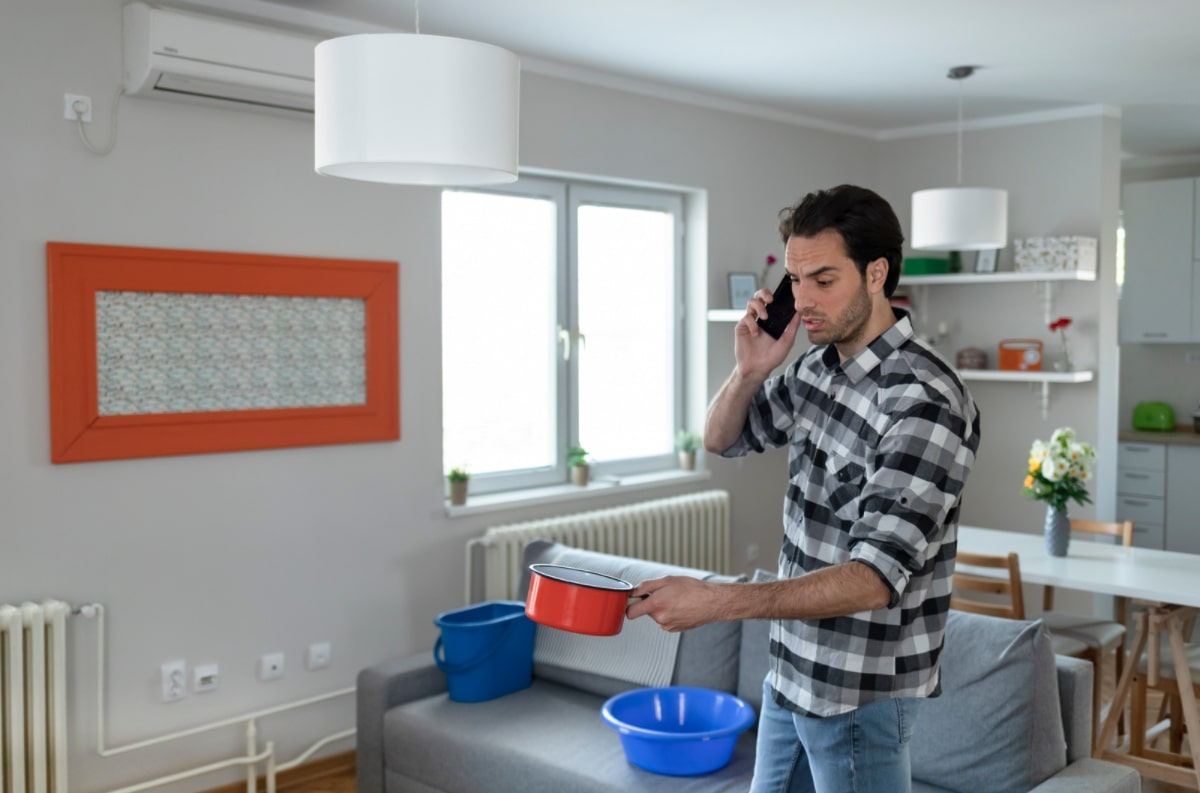
With floods and persistent rain around Queensland and New South Wales, there has been severe damage to homes. From black mould to severe roof leaks, many properties have experienced some form of water damage with the increase of wet weather over the past few years.
For renters, this has been very difficult to navigate how to manage this damage from communication with the property manager to ensuring the safety of the belongings.
Notify your property manager of any damage
It is very important to notify your property manager right away if the property has been damaged at all due to the weather. Make sure to assess and detail the damage by taking clear photos and providing a description of the damage so the owner is aware and can attempt to quickly resolve damage.
Help for those affected by the floods
If you live in certain areas that have been severely affected by the floods, you may be entitled to a flood relief payment from the government. Please refer to your local government services to learn more about your eligibility.
Mould in your rental home
It’s your responsibility as a tenant to keep the property in a reasonably clean state, and take steps to reduce mould where you can. You should also report mould to your property manager as soon as possible.
It is the responsibility of the property owner to ensure the property is “fit for habitation” including fit plumbing, good ventilation, and sufficient drainage.
To learn more about mould, please read:
- NSW: Tenants’ Union mould factsheet
- VIC: Consumer Affairs Victoria
- QLD: Residential Tenancies Authority
There are a few ways to prevent & treat mould, we’ve highlighted them below:
1. Ventilation & light
Good ventilation & light is important to prevent the growth of mould. Leaving windows & curtains open when possible will help with this. If you don’t have sufficient light or windows, you can also use a fan to increase ventilation. Cheap & good fans can be purchased from your local hardware store.
2. Report leaks as soon as possible
Report leaks as soon as they appear to your property manager so they can be quickly fixed. This is so the mould doesn’t have moisture to grow.
3. Dehumidifier & purifier
A great way to prevent mould growth is by using a dehumidifier which helps reduce humidity from the air. Mould thrives in humidity so this is a good way to reduce the growth. An air purifier also helps with the negative effects of breathing in mould if you already have a mould issue. You can purchase both at your local hardware store, such as Bunnings.
4. Prevent ‘dark spaces’
To prevent the growth of mould in a certain space/room of your property, avoid lots of dark space behind furniture pressed against the wall. This is because mould develops mainly in damp, darker spaces with poor air circulation. In these spaces with low light & ventilation, minimise large furniture, regularly clean and move furniture around.
5. Treatment
Treat as soon as possible to prevent further spread. The best remedies are white vinegar (1 part vinegar, 3 parts water) or clove oil which can be purchased at most common grocery & hardware stores. Please check out this guide by the NSW Government to treating mould.
To learn more, check out this Bunnings guide to preventing mould.
What to do if there’s a serious leak
If you have a serious roof leak in your rental home, you may need to organise an urgent repair which should be compensated by the property manager.
Please read your state’s guide to repairs and maintenance for Renters:
- NSW: Tenants Union NSW
- VIC: Tenants Victoria
- QLD: Residential Tenancies Authority
Seeking a rent reduction or abatement
As well as requesting a rent waiver if your rental home is uninhabitable, you can request a rent reduction to compensate for damage that may leave parts of the property unusable.
Contact your property manager to discuss and come to an agreement which suits both parties.
For renters
One profile. Apply for any rental with confidence.
Fill in your details once, then apply for rentals in minutes.
For property managers
Leasing software for property managers.
Lease faster with confidence.